

The No-Knead Turkish Flatbread You Can Make Without an Oven
Bazlama: A no-knead, no-oven fluffy Turkish flatbread + Video Tutorial

I’m so glad you’ve stopped by. I’m Leslie, an enthusiastic home cook who loves making dishes that delight others. I am particularly fond of Turkish food, no-knead breads, and meals that hold memories. Most of all, I love sharing them with you!
If you enjoy this post, it would mean so much if you’d subscribe and click the ❤️ button at the bottom. I read and respond to all comments, so if you have any thoughts or feedback, or just want some help in the kitchen, drop me a note!
Scroll down to get right to the recipe
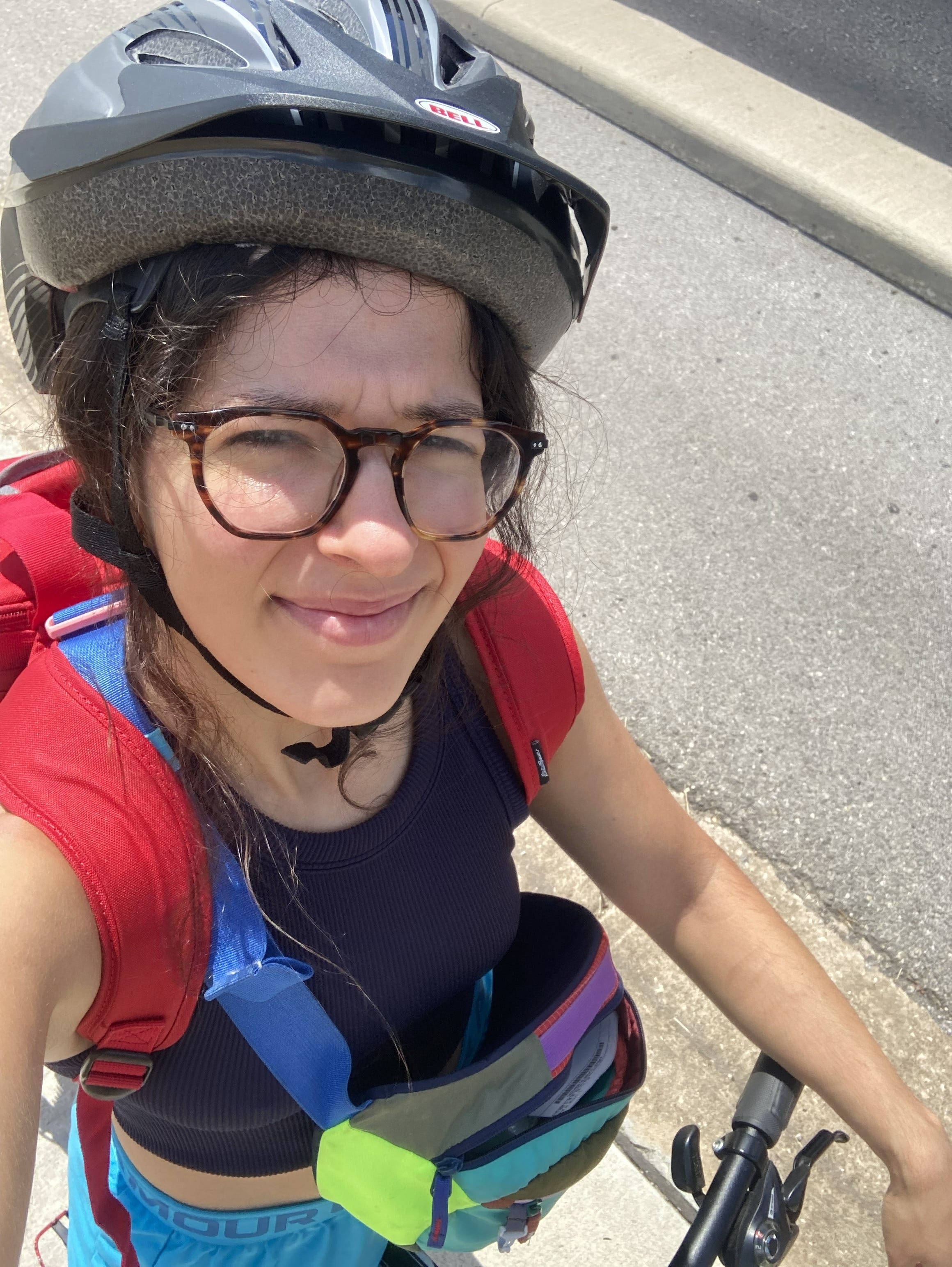
Last summer, I spent a month in the heart of Texas with only a bike for transportation. Every other day, I was lugging groceries on my back, half a mile home, in weather that felt only a few degrees cooler than what I imagine hell to feel like. Turning on the oven was utterly repulsive to me, and as much as I loved the tortillas there, I was craving some variety.
So, I started making bazlama.
The first time I made them, my husband’s face lit up. So I made them again (and again and again). You might think I’d get sick of having the same thing on repeat. I did just say I wanted variety, didn’t I? Instead, I fell in love with them.
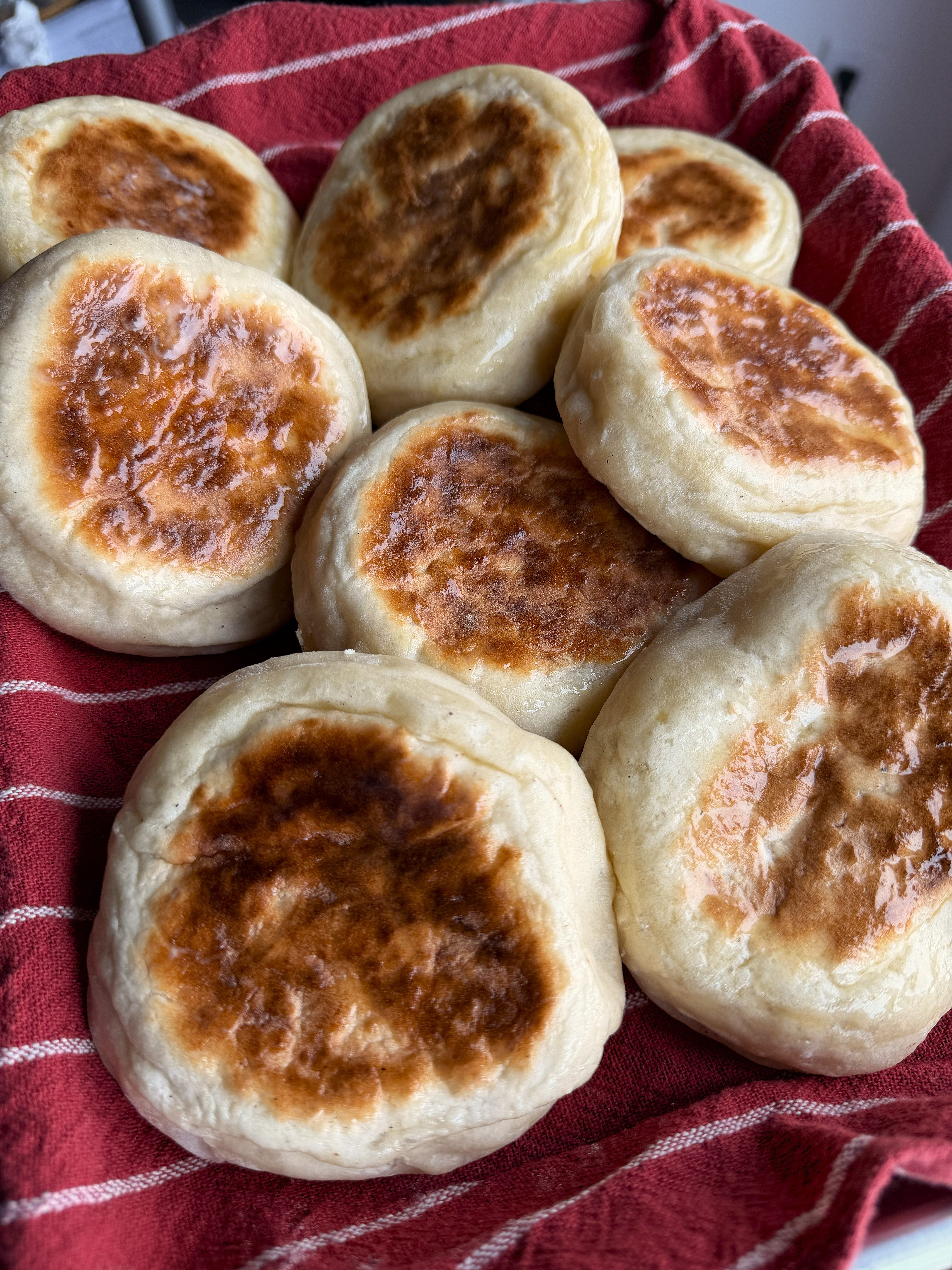
Bazlama are a fluffy Turkish flatbread that are cooked in a pan on the stovetop. They don’t require an oven, which, between June and September, feels like an absolute reward. They wear the gown of an English muffin, but don’t be fooled. Unlike an English muffin, which begs to be toasted and slathered in butter or jam, bazlama are much more tender. They have a plush interior and stay soft for a few days at room temperature.
While you’ll find me enjoying a naked bazlama every so often, I usually eat them a la Turca (Turkish style).
The Turkish breakfast table includes an array of cheeses, jams, olives, tomatoes, cucumbers, eggs, and various spreads—honey, kaymak, tahini & grape molasses, hazelnut butter, the list goes on. And those spreads need a vehicle, don’t they? That’s where bazlama comes in.
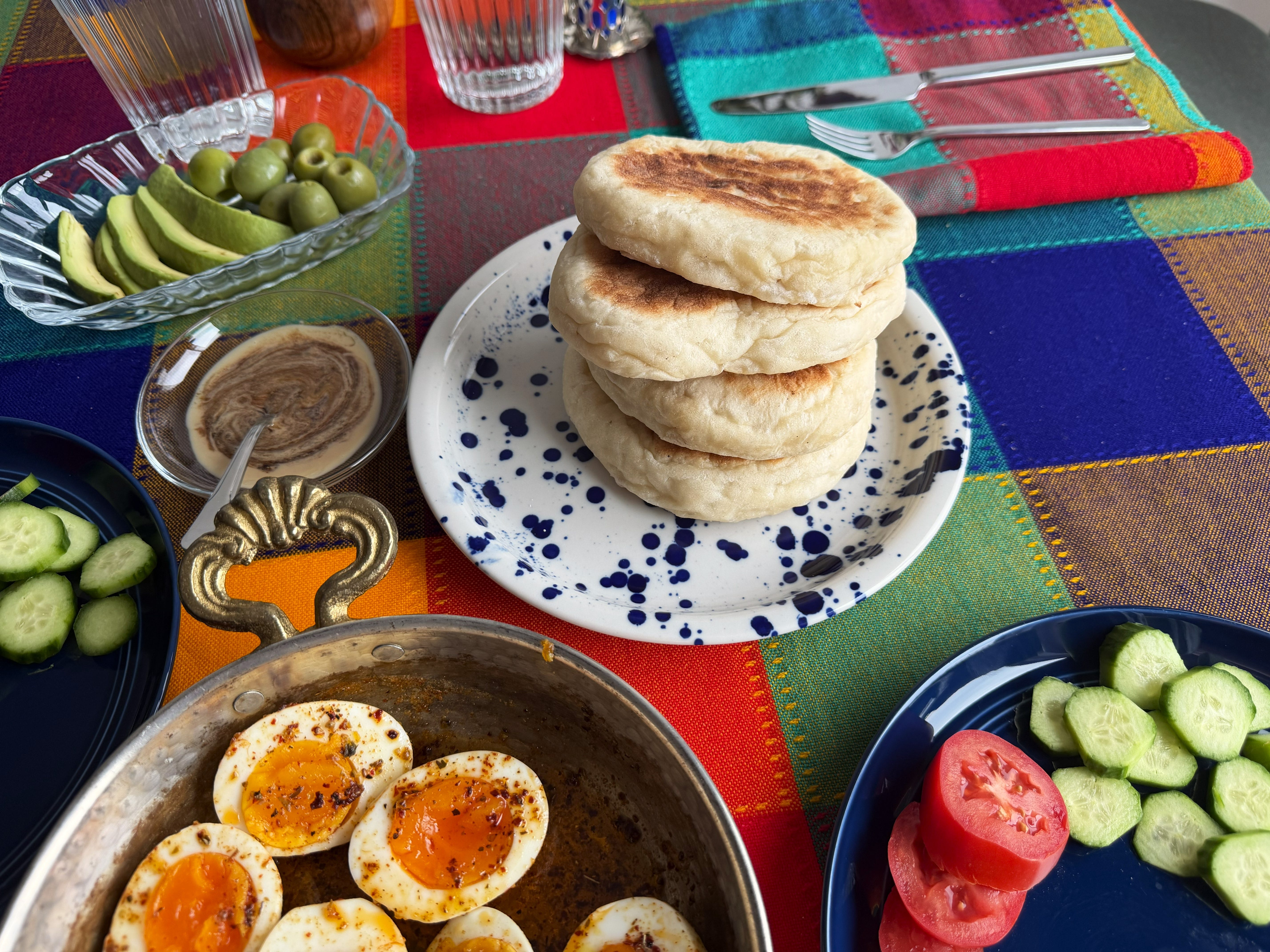
We don’t have a full-on Turkish breakfast spread every morning in our house (sad, I know), but we often enjoy mini Turkish breakfasts on our individual plates. And bread is always part of a Turkish breakfast.
As someone who makes a lot of bread, you might be surprised to learn that I often run out of it. I have a habit of giving it away to neighbors, friends, whoever’s around. But then, we find ourselves breadless two days after baking three loaves.
Yeah, I know, that doesn’t sound good. (Unless you’re my neighbor.)
To make matters worse, the “oh crap, we are breadless” realization happens right around 10pm. As I’m on the brink of sleep, half-dreaming about tomorrow’s breakfast, my brain is searching for what bread is on our counter. And then I realize, “oh shoot—none.”
You might think, “So what, Leslie? Just eat cereal or oatmeal or yogurt.” The issue with that is, bread is a core part of our morning routine, and the whole day feels a bit off-kilter when we don’t have it.
So, what’s a girl to do? I pull myself out of bed and into the kitchen (luckily, I live in an NYC apartment so it’s only about 20 steps between the two) and mix (not knead!) together this bazlama dough so it’s ready for the morning.
Last year I shared a recipe for içli bazlama, which are stuffed with cheese, but the plain version is the one I’m making at 10pm on a weeknight at least every other week. So I wanted to share this simple recipe, which has become the most reliable bread in my kitchen.
Ok, I say “plain version” but sometimes I throw in a teaspoon or two of nigella seeds or toasted cumin seeds into the dry ingredients because I love variety and can’t help myself. 😇


If you don’t want to prep the night before, you can make these start to finish in about two hours, which, for yeasted bread, is record timing.
Aside from breakfast, bazlama can also be cut horizontally and stuffed to make a sandwich for lunch or dinner. It could be simple with just beyaz peynir (a Turkish white cheese, but you could use feta), tomato, and cucumber. You could add some zeytin ezmesi, or black olive paste, which is made by simply pureeing salt-cured black olives in a food processor. If you want something a bit more filling, throw in some grilled chicken or köfte (Turkish meatballs).
Or, you can ignore my suggestions and do whatever the heck you want because these are your bazlama after all.
I started making this bread in oppressive Texas summer heat, but even through changing seasons and moving states, this bread has stayed. It has never let me down. I don’t think it’ll let you down either.
VIDEO TUTORIAL
On Substack, I share the how behind individual bread recipes. In my Bread Made Easy Workshop, I go deeper — walking you through the why. In this workshop, we’ll bake a loaf together as I teach you the principles behind bread. You'll leave knowing why bread works the way it does, giving you more confidence and ease in tackling any recipe.
The workshop I ran earlier this month got fantastic feedback from both total beginners and experienced bakers. The next one is coming in September. If you’d like to learn more or join the waitlist, go here.😊
Bazlama
Servings: 6-8
Ingredients
2.25 cups all-purpose flour (270 g), plus more for dusting work surface
1.5 teaspoons kosher salt (~5 g) (or 1 teaspoon of fine sea salt)
1.5 teaspoons sugar (6 g)
1 teaspoon instant yeast (~3 g)
3/4 cup warm water (180 ml) (See Note 1 for water temperature)
1/4 cup plain yogurt (60 g) Greek or normal is fine
2 teaspoons olive oil, for coating
Method
Please watch the video above for visual guidance!
Make the dough: In a large bowl, whisk together flour, salt, sugar, and yeast.
Then, add warm water and yogurt (can be cold, right from the fridge), and mix together until it forms a cohesive, sticky mass. It will seem dry at first, but should become a little wet once totally combined—this is what we want. Scrape it together in the middle of the bowl. Pour olive oil on the dough and spread it over the top surface using your fingers. Cover with airtight lid or plastic wrap, and choose your adventure for the first rise!First rise (aka bulk fermentation) options:
Overnight: For a cold rise in the fridge, stick your covered bowl in the fridge for 8-24 hours. Precision in timing isn’t important here. We’re just giving the yeast enough time to slowly eat the starches and sugars in the flour and transform them into flavor, and to release carbon dioxide, which creates the rise.
Right away: For a quick counter rise, leave the covered bowl on the counter for 15 minutes. Do one set of stretch and folds, cover and let rest for ~40 minutes, until doubled in size. The timing will depend on how warm your kitchen is (warmer kitchen = faster rise). Ideal kitchen temperature is 74-77 F.
Prep your work surface: After the bulk fermentation, if your dough was in the fridge, take it out now. Lightly dust a clean work surface with flour and reserve a few tablespoons of flour on the side to dust the dough with. Also, have a clean kitchen towel or a piece of plastic wrap (about 12 inches long) ready to cover the dough with.
Shape the dough: Lightly wet your hand and do one set of stretch and folds, releasing the dough from the sides of the bowl and folding it toward the center. This should shape the dough into a rough ball.
Lightly dust your hands and the dough with flour and place the dough on your work surface. Cut the dough ball into 6-8 pieces. The fewer pieces, the larger each bazlama will be.Form the bazlama: Working with one piece of dough at a time, dust it with flour so it doesn’t stick to your hands, and then shape the dough into a ball. To do this, fold the dough under itself, kind of into a pouch. Then roll the dough in a circular motion on the counter, with your hand in a cupping shape.
Tip: Don’t be shy about using flour. Use a little at a time to keep the dough from sticking to your hands. If it does stick, don’t worry. Gently release the dough and just rub your hands together over a trash/sink to remove the tacky dough. Then, flour your hands again to continue working.
Once all the dough is shaped into balls, then flatten them into discs, about 1 cm thick. Space them slightly apart on a lightly floured surface and cover with plastic wrap or clean kitchen towel. Let them proof (do their second rise) for ~20 minutes, until they are puffy.
Cook the bazlama: Preheat a dry large frying pan over medium low. Cast iron is great, but non-stick works, too. Don’t grease the skillet! Add 1-3 bazlama so they’re not touching, and cook flipping every 1-2 minutes, for a total of ~8 minutes. It’s not an exact science. You’re just looking for the surfaces to be golden brown and for the sides to no longer be tacky. Adjust the heat as needed so that they don’t burn on the outside before the inside is cooked.
Leave them in the dish towel for at least 5 minutes: Place the cooked bazlama in a clean dish towel and gently wrap to keep them covered for ~5 minutes. This helps them continue steaming internally and also keeps them warm and soft.
Enjoy!
You might also like my other no-knead bread recipes!
Ramazan Pidesi (Turkish Ramadan Bread)
Everything-bagel-spiced Focaccia
Challah and cinnamon rolls from one dough! (This one requires 2 minutes of kneading)
Liked this recipe? Then give me some love 😊
Thanks so much for reading! This post was probably finished at 2am, tested in multiple kitchens, and overthought to an embarrassing degree—all so you can make something delicious. My recipes are free, but if you want to support my morale, you can:
❤️ Drop a heart below - it’s free and easy and feels like receiving a virtual hug so thank you!
💬 Leave me a comment - I love chatting with you! I read and respond to all of them.
➡️ Share or re-stack this post so other people can find it - help me achieve my dream of becoming everyone's internet cooking friend
😍 Become a free subscriber (no paid tier exists yet, so this is literally the VIP option)
I really appreciate it. I’m so glad you’re here! 💞
Notes
(1) Water temperature: If you’re doing an overnight first rise (cold bulk fermentation), then use warm water ~90 F. If you’re doing a quick counter fermentation, then use water at 110 F.
(2) Storage: Bazlama keep well for ~3 days at room temperature. Once they are cooled, put them in a plastic bag or airtight container. If you know you won’t eat them within 2-3 days, then freeze them in a plastic bag.
Could you make these with sourdough discard? Or even the starter itself? Looks great and man di i miss the Turkish breakfast!
Thank you!!!