

Yogurt Beyond The Breakfast Table
How Indian and Turkish kitchens make yogurt the star of savory cooking


Hello and welcome to A Bite of Delight. Today, I’m sharing a special edition of this newsletter in collaboration with my friend and fellow food writer, Annada D. Rathi.
If you enjoy what you read, I’d love for you to subscribe, leave a ❤️, or a comment.
In 1973, Madhur Jaffrey proclaimed in An Invitation to Indian Cooking,
“I feel America has still to discover the versatility of plain yogurt. At the moment, yogurt seems to provide nothing more than a quick lunch for the girl on a diet.”
Not much has changed in the last 50 years. In the US, yogurt is still seen as one of two things: an easy breakfast or a sweet snack.
Annada D. Rathi and I are here to change that.
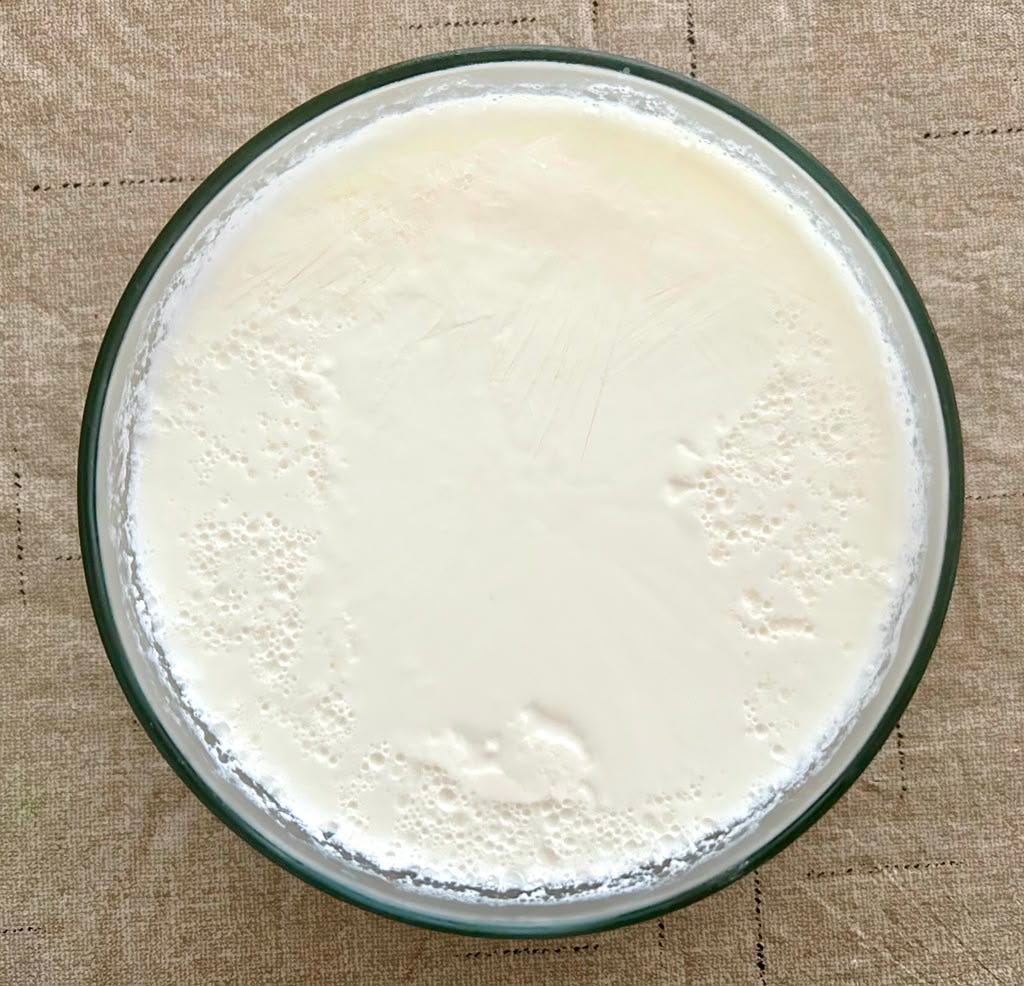
Our discussion started a few months ago, when Annada wrote a piece about kadhi, a yogurt-based rice accompaniment. It got us talking, and we quickly realized that Indian and Turkish cuisines, thousands of miles apart, share a remarkably similar relationship with yogurt in savory cooking. For both of us, yogurt is so much more than a breakfast staple.
In this post, we’ll discuss:
Yogurt and its Offshoots (both) - a conversation where we compare notes on yogurt basics and find more parallels than we expected
Yogurt’s role in Turkish Kitchens (Leslie) - the different roles yogurt plays across various Turkish dishes
Yogurt’s role in Indian Kitchens (Annada) - how yogurt is purposefully woven into Indian cuisine
Recipes (both) - Pasta in Garlic Yogurt Sauce (Turkish) and Potatoes in a Spiced Yogurt Sauce (Indian)
Yogurt is neither a “health hack” nor just a substitute for sour cream. Yogurt is a prized ingredient in savory dishes, and we think it deserves a bigger role in your kitchen.
Yogurt and its Offshoots: A Conversation
Annada: Yogurt is simply fermented milk. Aided by good bacteria, the lactose in milk transforms into lactic acid, which thickens milk into yogurt and imparts the signature tanginess. The word yogurt comes from the Turkish word “yoğurmak,” which means “to knead,” but older, broader definitions also include “to thicken or curdle.” Indians call yogurt “curds.”
Leslie: My husband maintains that yogurt originated in Turkey. I won’t make any firm claims (it’s a contested topic), but yes, the word itself comes from Turkish. In Turkey, every kitchen has yogurt in it.
Annada: Yogurt is serious business in Indian kitchens, too. As essential as milk, you will find nary a kitchen without it. In India, borrowing the culture (live bacterial starter) from a neighbor to set yogurt is totally normal, even traditional.
Thick plain yogurt mixed with white rice and a bit of salt is my crisis-mode comfort food. It is barebones, has no spices (imagine me, no spices) and it dials down distress. It’s a favorite food of many picky kids.
Leslie: That’s so funny! Yogurt with rice is my husband’s comfort food, too. I have come to enjoy it. We often have it as an afternoon or after-dinner snack if we’re still feeling hungry,
Annada: Isn’t that fascinating? These across-the-world food connections give me the chills.
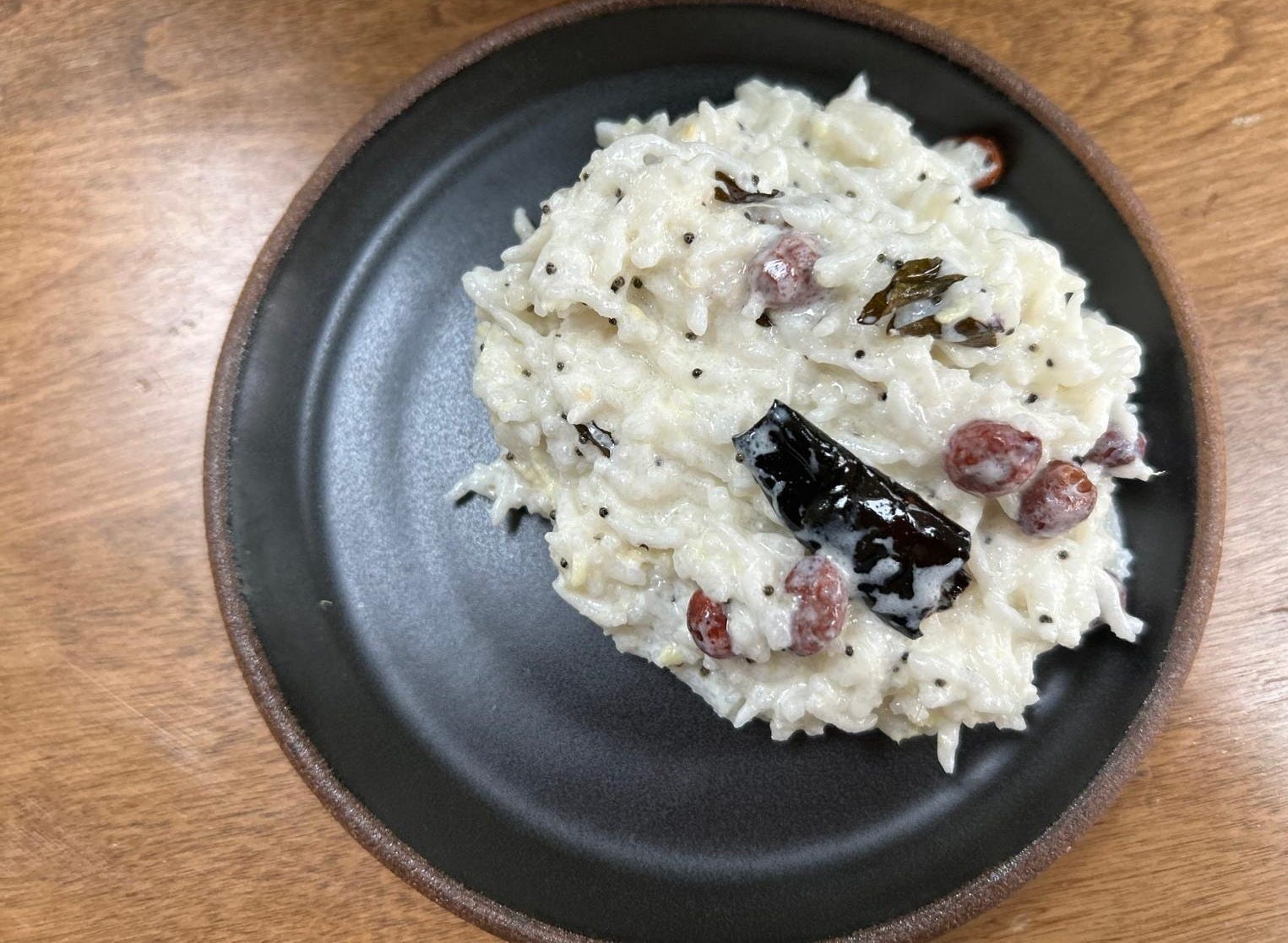
Indians jazz up simple yogurt rice with a tadka (infused oil) of peanuts, whole dry chile peppers and mustard seeds to serve it as a quick meal in the summer. My mother serves it to bypass cooking dal, the typical rice accompaniment.
Offshoots of yogurt are equally prevalent in India, one of them being buttermilk. When I told Leslie about how buttermilk is prepared in India, she told me that’s not what it is in America.
In India, what we call buttermilk is a product of yogurt and water. Ravaged by stifling, tropical heat, there is nothing quicker or cooler than whisking homemade yogurt with water and seasoning with salt or sugar and preferred spices (roasted ground cumin, chaat masala, dried mint, dry ginger powder).

Indian buttermilk can be customized from runny and watery (preferred in South and West India) to thick and creamy, aka Lassi.
Lassi is the thick-enough-to-drink-with-a-spoon buttermilk native to the North Indian state of Punjab. A lassi can be sweet or salty, but like a milkshake, it is robust enough to replace a meal. You have probably tasted mango lassi in an Indian restaurant, which combines the nectar-like flavor of Indian mangoes with the signature tang of plain yogurt! Indians will not opt out of their morning chai even in 100 degree F weather, but lassi is an afternoon or anytime summer drink.
Leslie: Indian buttermilk sounds a lot like the national drink of Turkey, ayran.
Ayran is a mix of yogurt, water, and a bit of salt. Sometimes it is made with mineral (carbonated) water instead. At home, it’s made in a special plastic jug with an agitator that’s pumped vigorously to froth it up. Preparing ayran for dinner was my husband’s job when he was a kid. You don’t need a special jug to make it though. Some vigorous whisking or a blender would do the job just fine.


Annada: On the other end of the yogurt spectrum, there is chakka or strained yogurt, which as its name suggests, is prepared by tying yogurt in a cheesecloth-like cloth cut from a worn-out sari. Every Indian kitchen will have pieces of cotton cloth cut for applications like this - to make paneer or strained yogurt. Chakka is the main ingredient in the beloved Western Indian dessert, Shrikhand.
Leslie: Labne (aka labneh or labna) exists in Turkey and many countries across the Levant and Middle East. Well known in Western countries nowadays, labne is similar to chakka in that it’s a very strained, thickened yogurt. It’s enjoyed as part of breakfast, in meze, in savory pastries, and in some desserts, too.
Yogurt in the Turkish Kitchen (Leslie)
Yogurt is eaten with almost every lunch and dinner in Turkey. It’s often enjoyed in individual small bowls, as a side. The one exception is fish – yogurt is rarely served alongside it. Oddly enough, growing up in the US, a yogurt dill sauce with salmon was one of the few ways I actually ate savory yogurt! My husband recoils at that.
Soups - Yogurt is used as the base for some soups, such as yayla çorbası, in Turkey. It’s mixed with egg, flour, and lemon to create what is called a “terbiye.” Gently tempered with hot water or broth, a terbiye gives soup more body and creaminess without making it heavy.


Meze - Countless meze feature yogurt, too. Mixed with a number of cooked or raw vegetables, yogurt transforms simple ingredients into something that tastes luxurious, yet is easy to assemble. I’ve shared several recipes for such meze: beets with yogurt, carrots with yogurt, garlicky yogurt, zucchini yogurt with chickpeas. I love to prepare a small array of these for hosting. They’re better when assembled ahead of time, which allows me to relax and enjoy the company.
To tenderize bread doughs - I use yogurt to make bazlama, a fluffy Turkish flatbread. Inspired by that technique, I’ve made a no-knead cumin yogurt bread loaf.


Part of many kebab dishes - Notably, a generous portion of yogurt is part of iskender kebab, which is my husband’s favorite meal. When I eat iskender kebab, I have to make each bite perfect: a little square of brown-butter-soaked pide bread, a slice of tender meat, a bit of tomato sauce, and a swipe of yogurt. It’s so delicious and rich that it might make you cancel your plans for the rest of the day.
Sauce - Finally, a very common and simple way to enjoy yogurt is mixed with a little crushed or grated garlic and a pinch of salt. That combination turns yogurt into a savory, slightly addictive side or sauce that’s often piled on top of pasta or manti (small meat-filled dumplings). I’m sharing a recipe for it at the end of the post. 😊
Yogurt in the Indian Kitchen (Annada)
In a well-thought-out recipe, every ingredient performs a specific function and has a definite place. In Indian cooking, yogurt plays distinct roles in a variety of recipes.
Souring agent – As an ingredient, yogurt imparts a covert tanginess making it an important souring agent (along with lime, tamarind, raw mango powder, kokum) in the culinary arsenal. Home cooks have also figured out ways to manipulate its sourness to fit their needs. For example, if my MIL wants to make kadhi the next day, she will leave the yogurt container on the counter overnight. The heat and humidity of the Indian weather imparts a nose-puckering aroma and sourness to the yogurt. When I make fenugreek leaves parathas, I knead the dough with plain yogurt for its understated sourness.
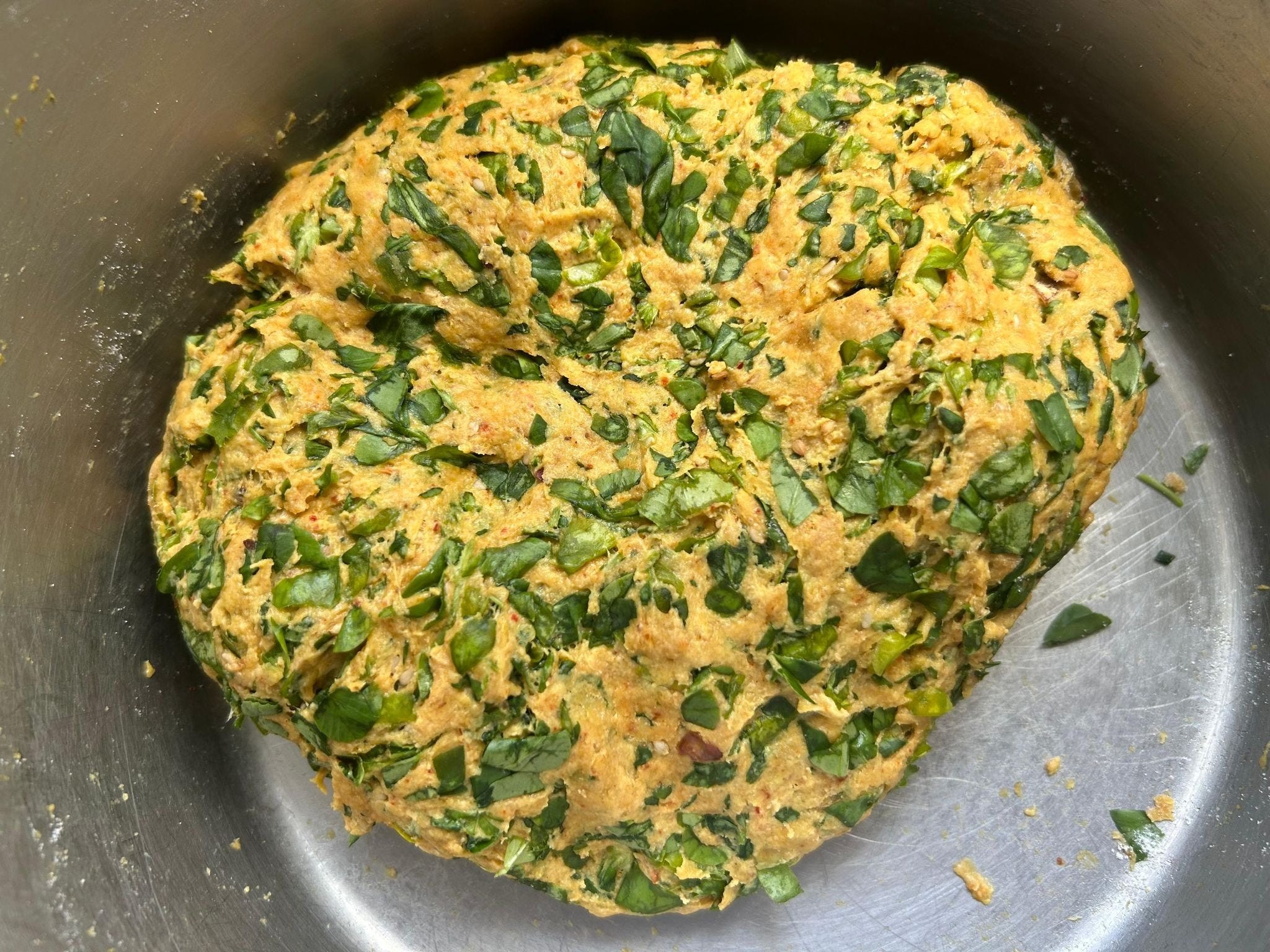
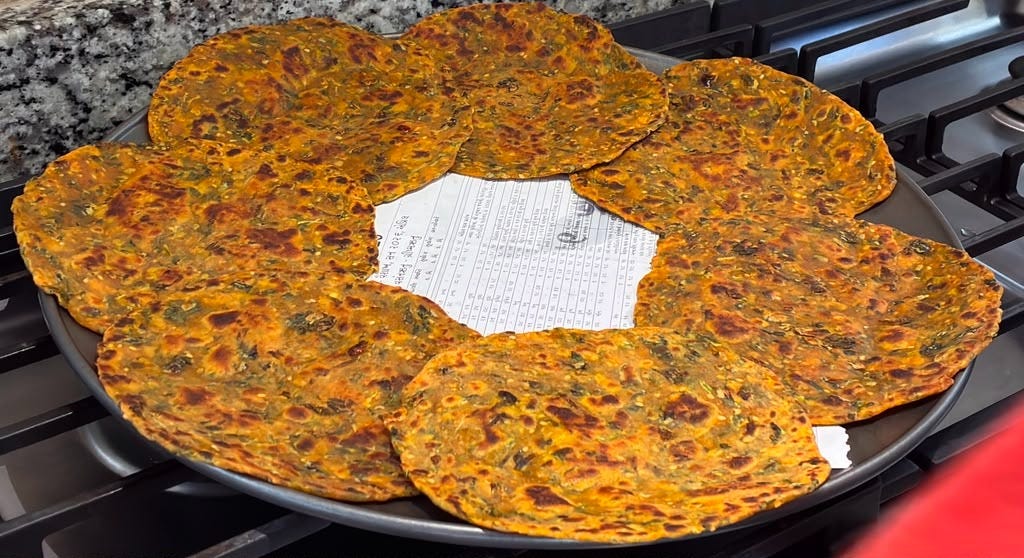
Softener - Parathas remain soft for days when plain yogurt is used to knead the dough. The same does not happen when I knead it with water. And that is why yogurt is a crucial component of naan (please do not say, naan bread and while I’m at it, do not say chai tea, please). Yogurt breaks down the proteins in flour to yield a soft, pillowy texture. Naan remains soft inside and crispy outside.
Sauce-making agent - The creaminess of plain yogurt comes in handy in making sauces for several Indian curries. Today’s Potatoes in a Yogurt Sauce recipe is one of them.
Tenderizer/Marinade - One of the most famous Indian dishes, tandoori chicken, uses strained yogurt as a marinade ingredient to tenderize the meat. The lactic acid in the yogurt denatures meat protein tenderizing the end-product.
On her Substack ChutneyLovers, Annada makes Indian flavors and dishes approachable for weeknight cooking.
If this has you curious about cooking with yogurt, start with something easy. My recipe below for Yoğurtlu Makarna (Pasta with Yogurt) is a great starting point — it’s quick, only requires 8 ingredients, and makes a wonderful light meal. If you want to explore an Indian dish, Annada recommends preparing a raita: just mix a cup of diced cucumbers with ½ cup plain yogurt and season with salt, ground cumin, and dried mint. It’s a perfect cooling side dish for any summer meal. Annada also shares a recipe below for Dahi Wale Aloo (Potatoes in a Yogurt Sauce), which sounds delicious. Lucky for me, I already have most of the ingredients.
We believe that once you start cooking with yogurt, you’ll wonder how it ever got relegated to the breakfast table.
RECIPES
Yoğurtlu Makarna (Pasta with Yogurt) (Leslie)
Pasta with yogurt might sound unexpected, but it's a staple in Turkish homes. Once you try it, it makes complete sense.
This is an easy, quick meal or side dish for dinner. Adding grated garlic and salt to yogurt transforms it into a sauce you'll want to put on everything. The spiced butter takes it over the top.
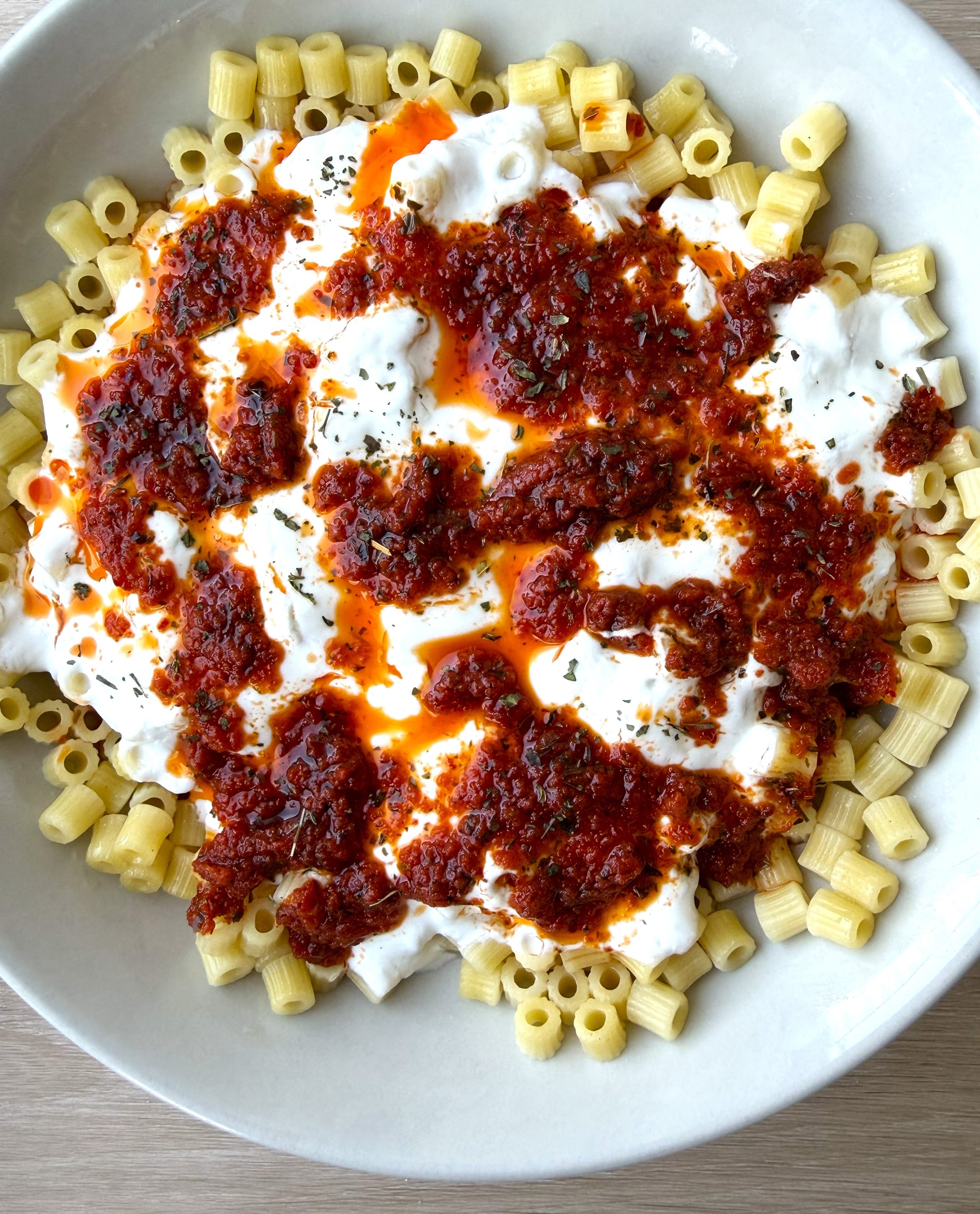
Serves 2 as a substantial side or light lunch
Ingredients
150 g dried pasta (small tubes like ditalini, spiraled fusilli, or shell-shaped pasta all work well to hold the yogurt)
Yogurt sauce
1 cup whole milk yogurt (200 g) (normal, not Greek)
1 small garlic clove, grated (or more, to taste)
¼-½ teaspoon salt (to taste)
Spiced butter
1.5 tablespoon butter
1 tablespoon olive oil
1.5 teaspoons tomato paste
Heaping ¼ teaspoon dried mint
½ teaspoon pul biber (Aleppo pepper)
Pinch of salt
Method
Bring a medium pot of water to a boil.
In the meantime, add yogurt, grated garlic, and salt to a small bowl and mix together with a spoon or whisk. Set aside for at least 5 minutes for the flavors to meld.
When the water is boiling, add salt to the water and add your pasta. Cook according to package directions. When done, drain and divide the pasta into two bowls.
Taste the yogurt sauce to see if it needs a bit more garlic or salt, or perhaps a bit more yogurt if it’s too garlicky. Adjust as needed. Then spoon the yogurt over the pasta.
To a small pan over medium heat, add oil and butter. When butter is melted add tomato paste and cook it for a minute, incorporating it into the butter-oil. Add mint, pul biber, and a pinch of salt. Cook for another 30-60 seconds until slightly darker. Divide the spiced butter on top of the yogurt on each plate.
Enjoy! I like to mix it all together, but my husband does not so choose your own adventure. 🙂
Dahi Wale Aloo (Potatoes in a Yogurt Sauce) (Annada)
Crafted loosely on the famous Dum Aloo of Kashmir, Dahi wale aloo is still a saucy potato curry that pairs perfectly with naan, paratha or any neutral bread.
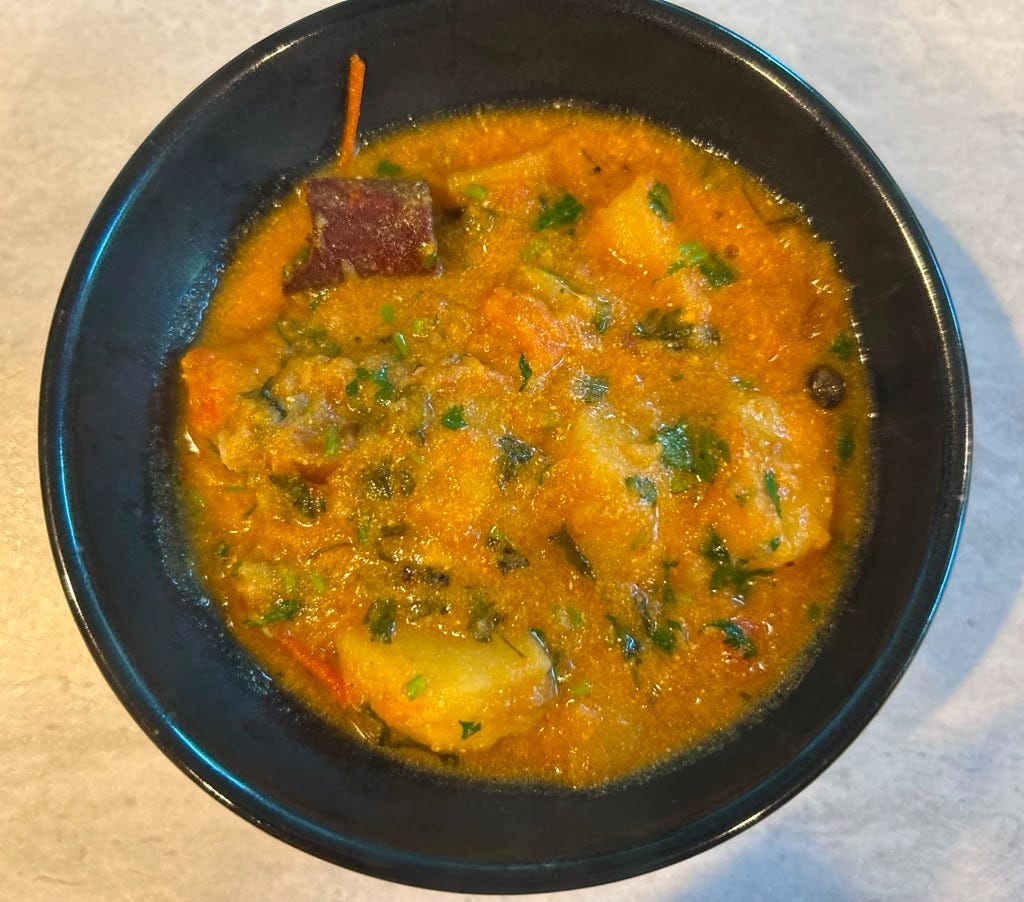
Serves 3-4
Ingredients
3 medium red potatoes (I got about 420 gms) peeled and cut into 1” x 1” pieces *
½ cup plain yogurt
1 teaspoon chickpea flour
¼ cup vegetable oil
2 green cardamoms
6-7 black peppercorns
1 inch piece of cinnamon
1 small medium onion peeled, grated and liquid squeezed out (roughly ½ cup grated onion)
1 big red tomato diced
1 tablespoon peeled and grated ginger
1 teaspoon ground coriander
½ teaspoon red chile powder
¾ teaspoon table salt
1 teaspoon honey
2 tablespoons kasuri methi
* As you cut potatoes, store the cut ones in a bowl of room temperature water to prevent browning.
Method
Rinse the cut potatoes in stored water, drain the water and wash them again under running water. Now lay out the potatoes on a clean kitchen towel and rub them to remove moisture.
Mix the ½ cup plain yogurt and 1 teaspoon chickpea flour in a small bowl and whisk to smoothness. Set it aside.
Pour ¼ cup vegetable oil in a wide sauté pan and turn the heat to medium. Choose a non-stick sauté pan, if available, otherwise, potatoes tend to stick to the pan as they get shallow fried. The pan size should be big enough that all the potatoes cook in a single layer.
Stir intermittently and let the potatoes shallow fry for 15 minutes. They will acquire a light golden-brown skin and some brown edges. Perform a knife test at 10 minutes, I found a slight resistance when I pierced a knife through a potato piece. So, I fried them for 5 more minutes. After 15 minutes, the knife went into a potato piece smoothly. Fish out the potatoes on a plate lined with a paper towel. There will be some oil left over which we are going to use for the next stage of cooking this dish.
Turn the heat to medium and after a minute add 2 green cardamoms, 6-7 black peppercorns and 1” cinnamon. Roast for 2-3 minutes till their aroma hits you.
Follow up with ½ cup grated onion and stir to prevent the onions from sticking to the pan. Roast them for 7-8 minutes till you see them start secreting oil at the edges.
Add 1 diced tomato, 1 tablespoon diced and grated ginger, ¼ teaspoon turmeric and ¾ teaspoon salt. Again roast for 10 minutes till you see tomatoes breakdown, lose their moisture and start secreting oil.
Combine in 1 teaspoon ground coriander and ½ teaspoon red chile powder.
Pour ¼ cup water and 1 teaspoon honey. Add potatoes carefully, stir well and cover.
Pour in the yogurt, chickpea flour mixture. Add 1/8 cup water to get the last remaining bits of this mixture from the bowl and empty it into the pan. Stir well. This is the base of the sauce.
Immediately the sauce will acquire a rich golden hue.
Let the spiced water with potatoes and yogurt sauce come to a rolling boil.
Turn the heat off. Crush the kasuri methi between your two palms and add it to the dahi wale aloo.
Serve hot with bread of your choice.
This dish tastes amazing the next day too, as the spices get to mingle and dance together with the potatoes and yogurt.
naan bread and chai tea 😖
thank you for this 🙏
What a fun side by side comparison of how yogurt is used in India and Turkey! While I do love plain yogurt with fruit and berries, I most often eat it with cherry tomatoes and garlic chili oil that has some crunchies in it. The best breakfast! Thank you ladies for such an informative read!